Climate and environment

Technology may do the most for the climate when it helps people change their habits, not only when it lowers the footprint of what they already do. We build tools that nudge sustainable choices, organize climate knowledge and give machine learning researchers the data they need for natural disasters.

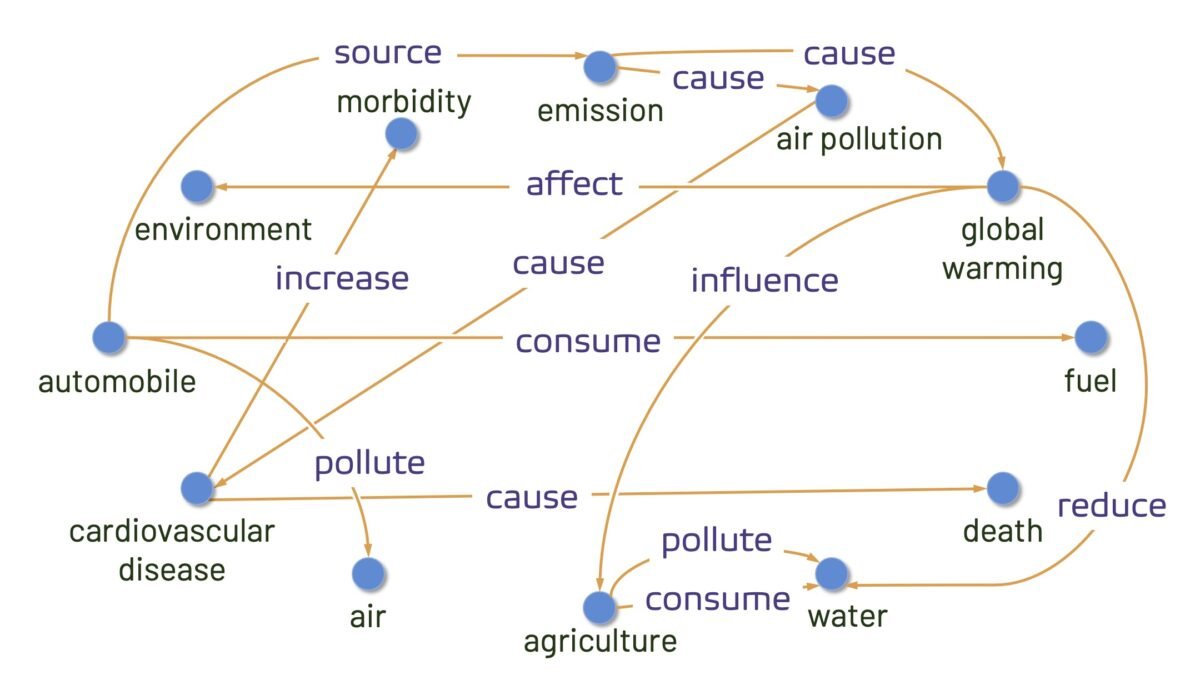
A slice of KnowUREnvironment, a knowledge graph of climate and environmental science built automatically from the literature.
98shoppers in the SEER study; those with eco-ratings chose more sustainably
411,860evidence-backed facts in the KnowUREnvironment knowledge graph
6.1%estimated cut in a person's yearly emissions from three habit changes (NAE Perspective)

Nudging greener online shopping: SEER

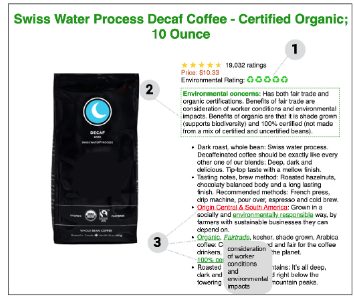
People say they want sustainable products but rarely buy them. SEER adds explainable environmental-impact ratings, impact summaries and keyword highlights to an online store. In a case-control study with 98 participants, people using SEER chose significantly more eco-friendly products and rated it highly usable (79.18). Price still matters: fewer people paid for the greener product when the price gap was large.
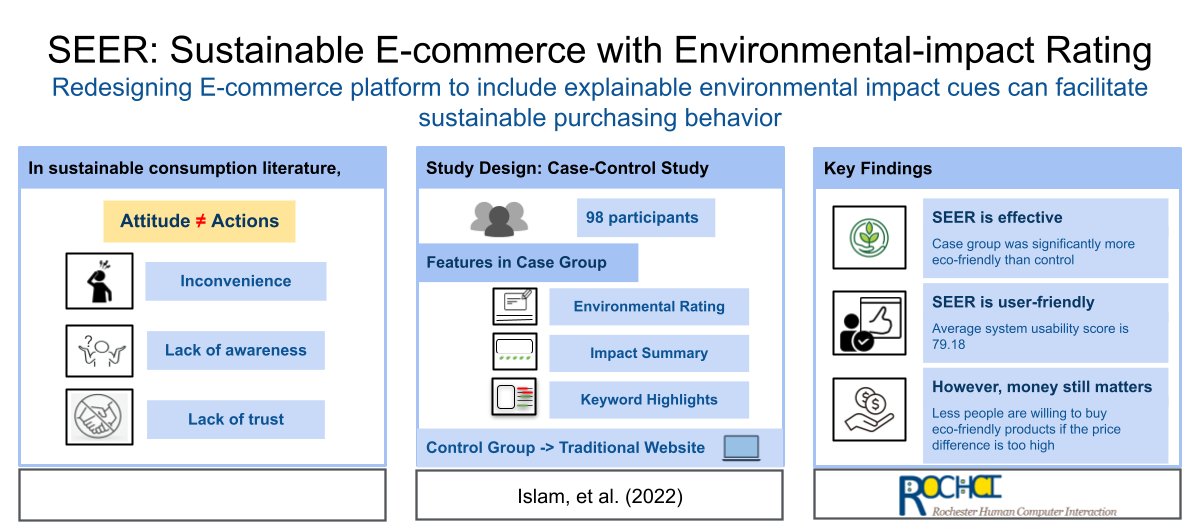
  • SEER: Sustainable E-commerce with Environmental-impact Rating M. S. Islam, A. M. Proma, C. Wohn, K. Berger, S. Uong, V. Kumar, K. S. Korfmacher, and E. Hoque Cleaner Environmental Systems 8, 2023 Shoppers say they want sustainable products but rarely buy them. SEER adds explainable environmental-impact ratings to online stores; in a 98-person experiment, users with SEER made more sustainable choices.
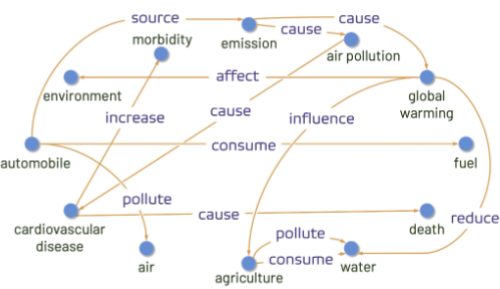
A knowledge graph of climate science: KnowUREnvironment

An automatically built knowledge graph of climate change and environmental issues, extracted from the scientific literature without human labeling: 210,230 concepts and 411,860 relationships, each backed by evidence. Human reviewers judged 75.85% of relationships correct. It can power search, question answering and recommendations.

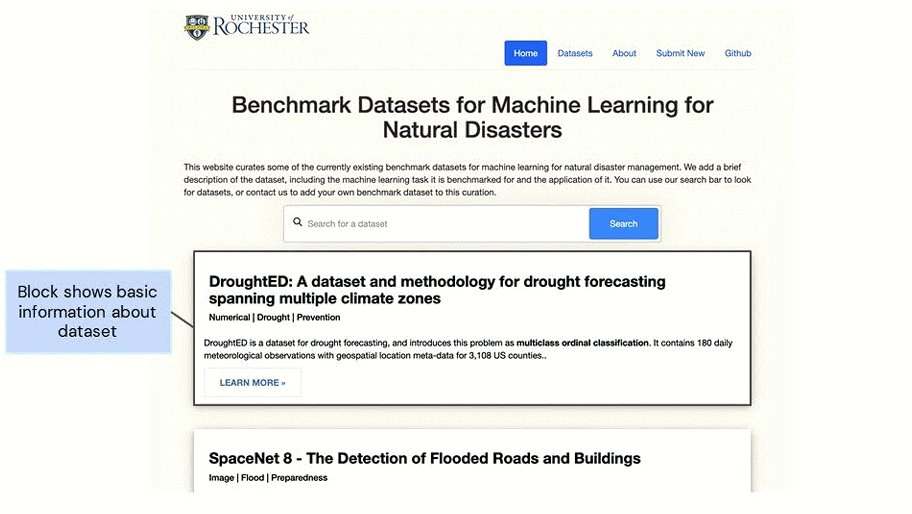
Benchmark datasets for natural disasters: NADBenchmarks

A curated, searchable catalog of benchmark datasets for machine learning on natural disasters, organized by the disaster-management cycle (mitigation, preparedness, response and recovery), with a call for researchers to submit their own.

Policy: computing, cognition and behavior change

In a National Academy of Engineering Perspective with Adiba Proma and Robert Wachter, we argue that eco-labels, emissions information in everyday apps, well-designed incentives and AI that flags climate misinformation can shift habits at scale. Three changes (eating less meat, biking more and washing clothes in cold water) could cut a person's yearly emissions by about 6.1%. Related policy work includes a 2024 bilateral climate and health project of the UK Academy of Medical Sciences and the US National Academy of Medicine.

Teaching

CSC 260/460, Technology and Climate Change, a course I created on where computing can make a real difference against climate change and its effects on health.

More

← All research